DOE’s gas furnace rule challenged in court
The rule, per the American Gas Association, "effectively bans the sale of non-condensing natural gas furnaces"

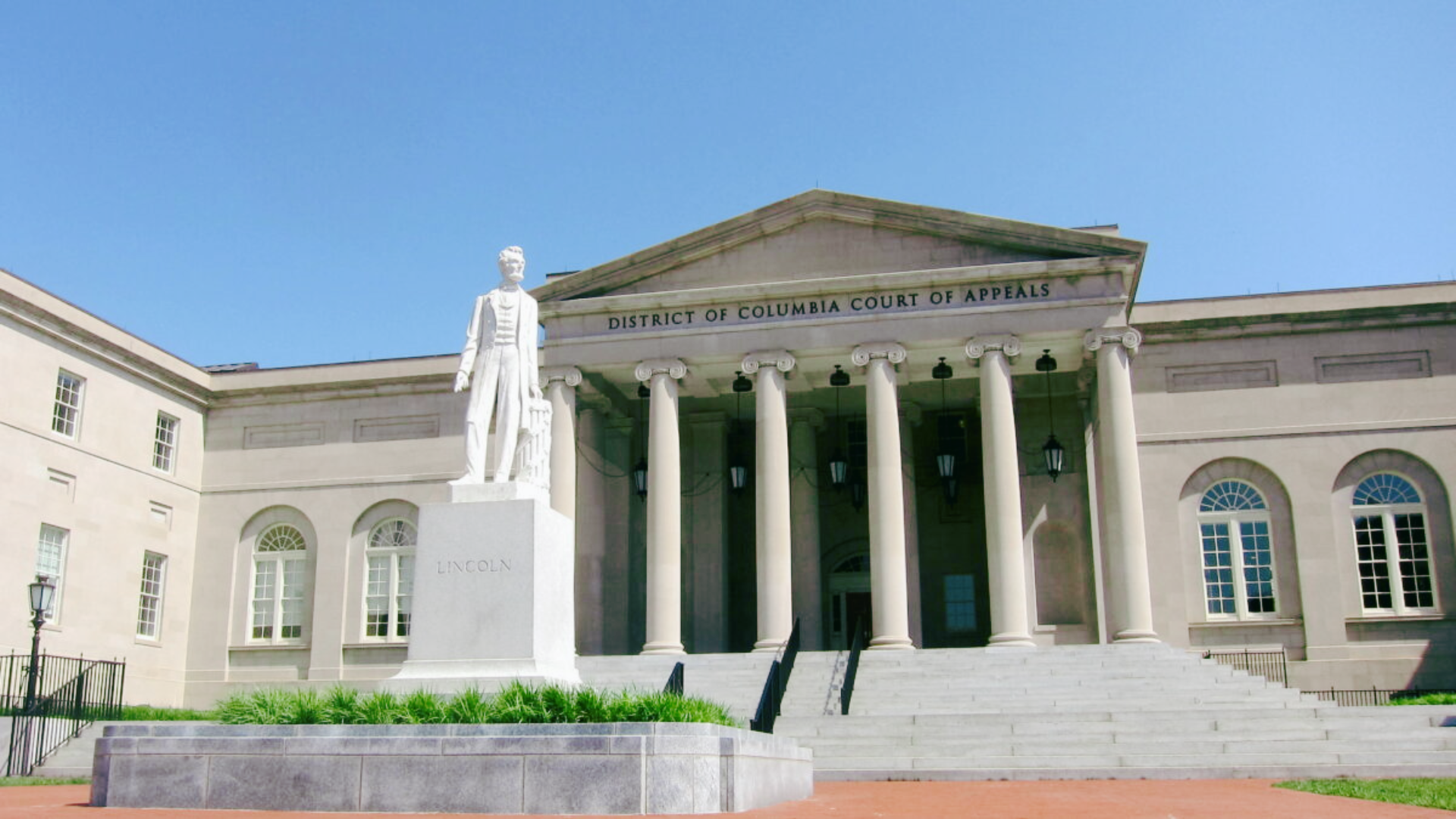
Image: The Federalist
The American Gas Association (AGA) last week presented oral arguments in court as part of a lawsuit challenging new efficiency standards for residential furnaces.
Catch up: In September 2023, the Department of Energy (DOE) issued a rule requiring indoor furnaces to be 95% efficient beginning in 2028 — and three months later, industry groups, including AGA, filed lawsuits.
Why it matters: The rule, per AGA, impacts 55% of U.S. households and “effectively bans the sale of non-condensing natural gas furnaces.”
What’s happening: On Thursday, AGA argued before a D.C. court that the rule is not technologically feasible, lacks economic sense, and is illegal because it would eliminate an entire product class.
- “The only natural gas furnaces capable of complying with this new rule are condensing furnaces that rely on vastly different venting systems and are often difficult or impossible to substitute in place of the conventional, noncondensing models,” AGA says.
“Consumers who currently rely on non-condensing furnaces would be forced to remodel their homes or businesses to accommodate a condensing appliance, if even possible, or abandon natural gas appliances altogether,” it adds.
What’s next: AGA urged the court to overturn the rule, but a decision timeline has yet to be published.
Keep reading
White House targets 1 million new apprentices
The president signed an executive order aimed at spurring one million new apprentices per year, including in the skilled trades
The HVAC acquisition trend continues
October 2, 2023

Trump split on trade deal behind HVAC’s tariff exemptions
“I’m thinking about maybe we won’t be able to make a deal. I would rather not have the USMCA,” the president told reporters
