IRS tweaks HVAC tax credit, requires 4-digit code
Homeowners will need to include a four-digit manufacturer code on next year's tax returns to claim a tax credit for this year's HVAC installs

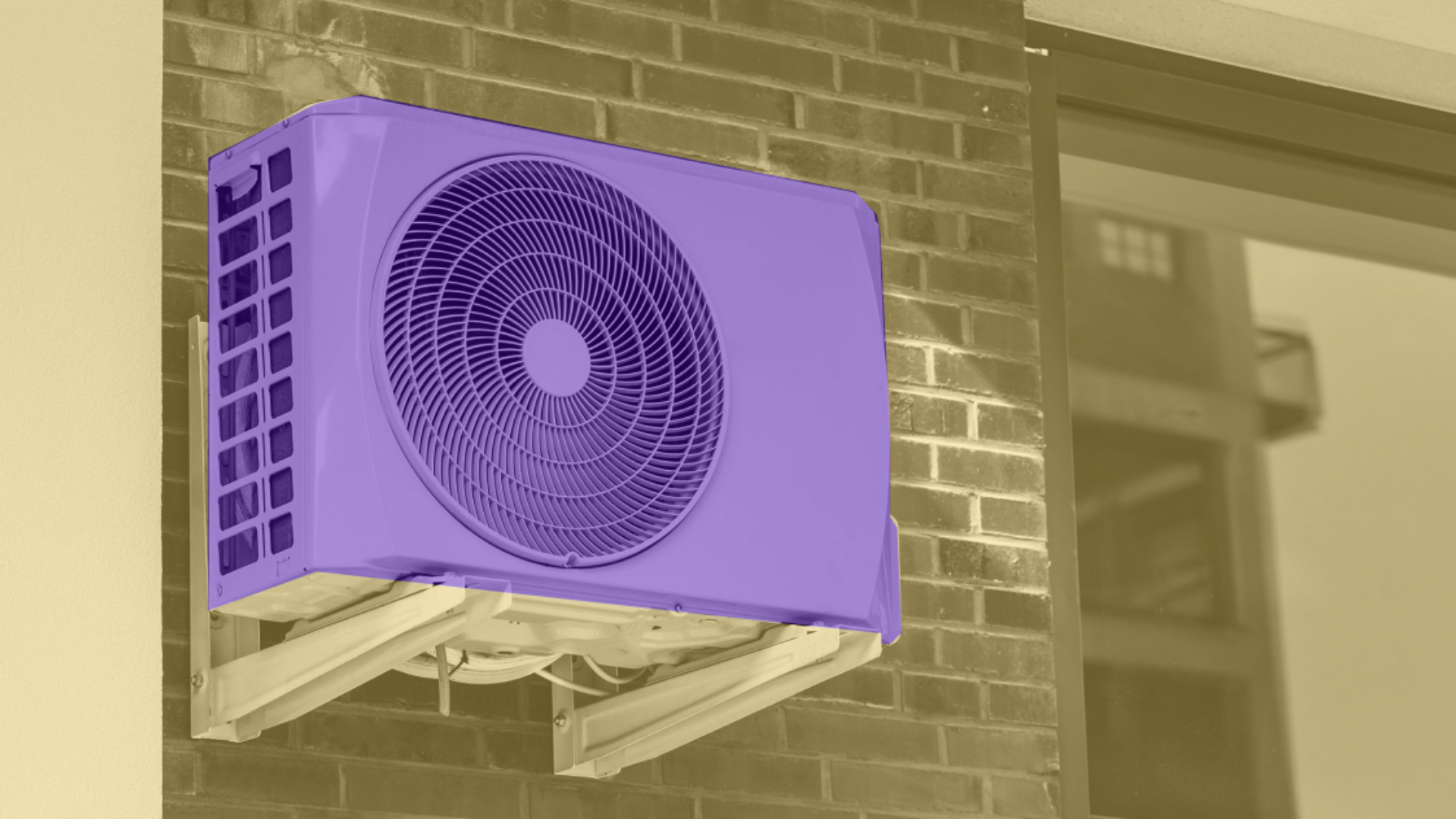
Image: Rewiring America
To claim a federal tax credit for qualified HVAC installs made this year, homeowners will need to include a four-digit manufacturer code on next year’s tax returns, the IRS recently clarified.
Refresher: Homeowners can receive up to $3,200 for installing qualifying heat pumps, air conditioners, and furnaces through 2032, under what’s known as the ‘Section 25C’ tax credit.
- Until the clarification, the IRS was requiring homeowners to include a 17-digit product identification number (PIN) to claim the credit for installs made this year. Catch up
What’s happening: The IRS noted on January 17 that homeowners can use a four-digit “qualified manufacturer” code instead of the longer PIN when filing for 2025 installs.
- “For specified property placed in service in 2025, taxpayers may use a QM Code in lieu of a PIN,” it wrote. The 17-digit PIN requirement will begin in 2026.
- On February 4, it officially opened a registration portal for manufacturers to receive their codes.
Of note: The IRS stated that manufacturers “should provide taxpayers with its QM Code,” but it’s unclear how exactly they’ll communicate these codes to contractors and homeowners.
- Representatives for Lennox and AHRI didn’t immediately respond to requests for comment.
The upside: Since this year’s installs won’t be claimed until next tax season, in April 2026, there’s time for logistics to be worked out.
- Claims for last year’s installs can be made this April without codes or PINs.
What’s next: The IRS is expected to publish a “final rule” in the coming months with additional details about the PIN requirement — hopefully including how manufacturers might communicate these codes to contractors and homeowners.
Keep reading

4 million employees to become eligible for overtime pay
April 29, 2024

Austin Helms on building a perpetual company and hitting $20 million along the way
Notes on growth, retaining talent, and building a perpetual company

DOJ sues company behind thousands of fake home service businesses
“Since at least 2018,” Premium Home Service has “deceived well over 100,000 consumers,” according to a lawsuit
