ServiceTitan report reveals contractor insights
December 4, 2023


ServiceTitan
ServiceTitan released its 2023 Residential Market report, covering the state of the industry and emerging trends.
The report includes findings from over 1,000 contractors across different trades, with 65% being HVAC, Plumbing, or Electrical. Most respondents reported between $1 million and $25 million in revenue.
What they found: Contractors identified key risks to hitting 2023 goals; the biggest being an economic recession (70%), the labor shortage (49%), and access to working capital (46%).
- In response to cost increases, 28% of contractors will increase service prices by 2-3% through the end of this year, and 23% will increase prices by 4-5%.
- To retain good technicians, 39% of contractors will raise salaries by 1-3%, and another 39% will increase wages by 4% or more.
- Last year, repeat customers drove 58% of work and 39% of revenue, signaling that marketing efforts focused on customer retention (versus new customers) may offer the best return on investment.
- 👉 See the full report here.
Of note: In a conversation about the report, ServiceTitan’s Chris Hunter and Angie Snow noted that next year, they expect service and repair to increase and big-ticket projects to decrease.
“Contractors are having to be a little strategic now because we’re not seeing the bigger tickets,” said Snow.
Looking ahead: HVAC contractors, in particular, are mostly neutral about 2024 — 20% are optimistic, 62% are neutral, and 18% are pessimistic.
Keep reading
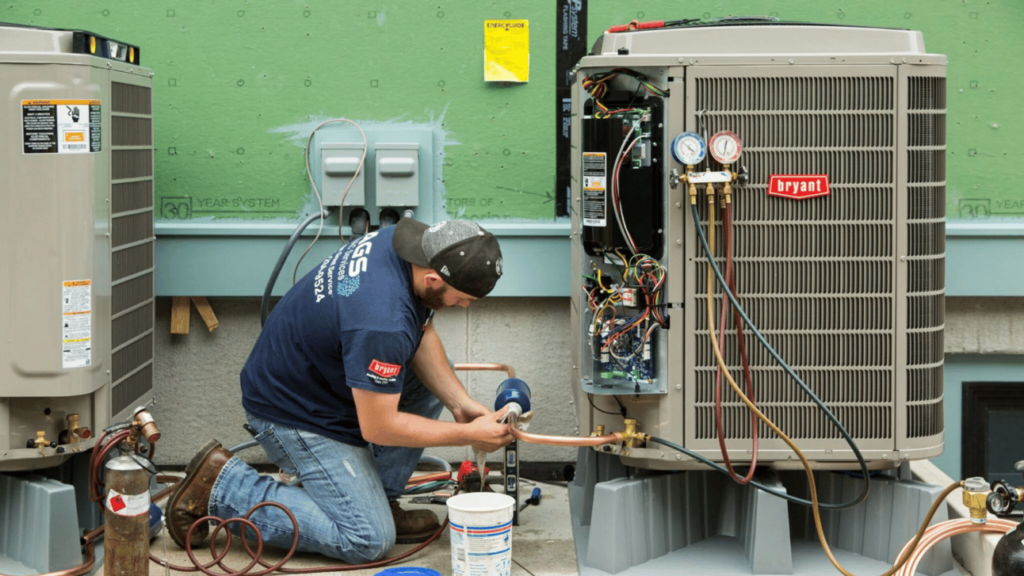
The important, but less covered part of the HVAC industry’s labor problem
The lack of people entering the trades is only one part of the problem

U.S. housing trend pressures replacement demand
“Sellers at the end of 2025 had owned their homes for an average of 8.6 years — a record in data going back to early 2000, when the average was 4.2 years”
DOL recovers $122,000 in back wages for 140 HVAC workers
MS-based AirSouth Cooling and Heating did not include non-discretionary bonuses when calculating overtime wages for workers, and failed to issue final paychecks to two employees