2026 hurricane forecast points to below-average season
In its 43rd year of forecasting, CSU’s Department of Atmospheric Science is calling for a below-normal 13 named storms, including six hurricanes

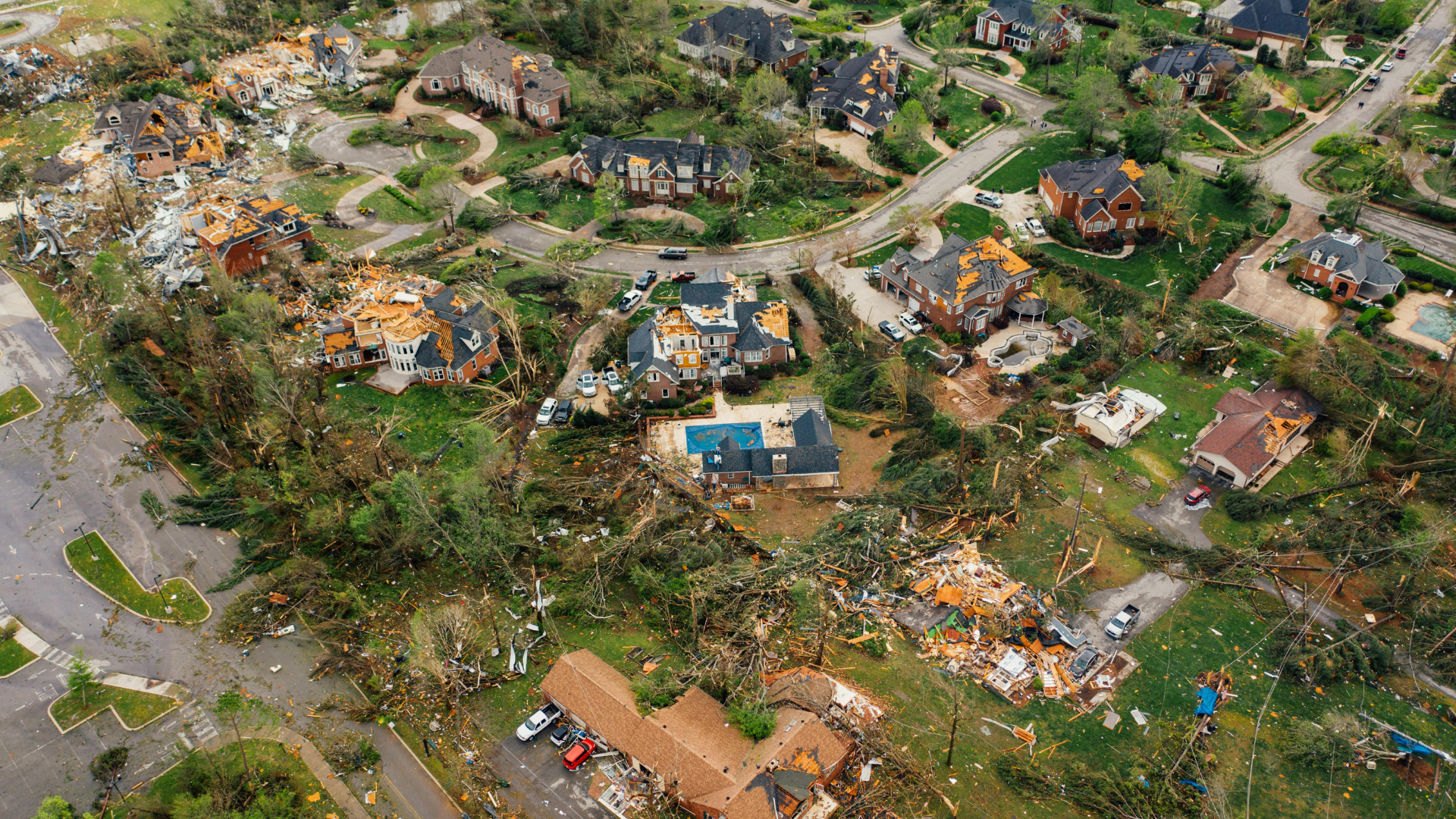
Image: Pexels
2026 forecasts are pointing to below-average U.S. hurricane activity, according to researchers at Colorado State University.
What’s happening: In its 43rd year of forecasting, CSU’s Department of Atmospheric Science is calling for 13 named storms, including six hurricanes — two of which are expected to be major (Category 3 or higher) — during the June 1 to November 30 season.
- That’s below normal, with typical seasons averaging 14 storms and seven hurricanes.
- CSU builds its forecasts using historical climate patterns and several predictive models calibrated against previous hurricane seasons.
What they’re saying: “I wish we could predict where hurricanes would make landfall,” CSU Research Scientist Levi G. Silvers told Homepros. “At this point, all we can predict is overall activity,” he added, noting that storm paths can’t be fully determined until systems begin to form.
- This year, university researchers put the odds of a major U.S. landfall at 32 percent, down from 43 percent historically. That includes a 15 percent chance for the East Coast and 20 percent for the Gulf Coast.
Go deeper: The university’s current forecast is being driven largely by expected ocean temperatures and El Niño conditions.
- El Niños occur when parts of the tropical Pacific Ocean become warmer than normal. This changes where powerful tropical storms happen and shifts the location of wind patterns around the globe. If an El Niño weakens or doesn’t fully develop, we could see more storms in the Atlantic, Silvers explained.
- Additionally, “If the sea surface temperature in the tropical Atlantic warms up substantially more than the average, that could fuel more storms even with El Niño occurring,” he said.
Why it matters: For roofing contractors, storm counts matter less than storm impacts. Even during below-average seasons, a single landfalling hurricane can cause significant damage and insurance claims.
- There have been 403 billion-dollar weather disasters since 1980, according to the National Oceanic and Atmospheric Administration (NOAA).
- In 2024 alone, 27 events caused more than $182 billion in losses.
- Over the past decade, weather-related damage has surpassed $1.4 trillion — highlighting the scale and consistency of storm-related repair demand.
What’s next: Early forecasts come with uncertainty — and a wide range of possible outcomes.
- “The April forecast gets a lot of attention because it is released so far in advance of the season, but because of its timing, it is also the least accurate. But we still think it’s worthwhile,” Silver noted. “The forecast will likely change a bit as the season progresses, but hopefully not too much. This is normal.”
- The university will publish an updated forecast on June 10.
Keep reading


HVAC enrollment at vocational schools jumps 29%
Over 25,000 students were enrolled in HVAC-specific programs at U.S. vocational schools this spring, according to new data

HVAC Deals: March 2024
Recent investment activity from around the industry