ChatGPT ads now open to local service businesses
Through a new self-serve Ads Manager, businesses can create and manage their own ad campaigns on a cost-per-click (CPC) basis

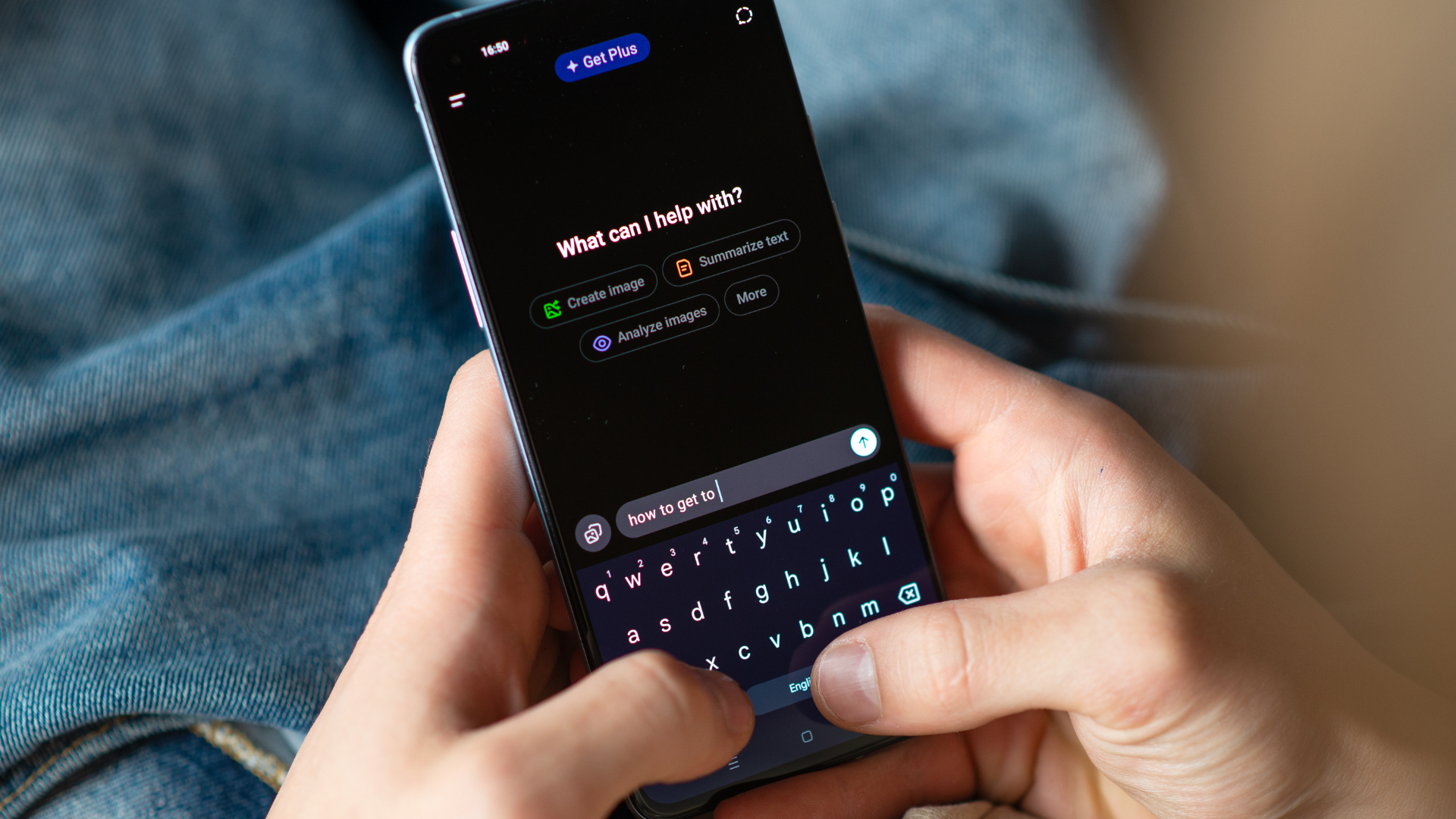
Image: ChatGPT via Adobe
ChatGPT is now allowing U.S. businesses of all sizes to purchase advertisements directly.
What’s happening: Through a new self-serve Ads Manager, businesses can create and manage their own ad campaigns on a cost-per-click (CPC) basis, the company announced this week.
- Ads will appear in consumers’ conversations but will be distinct from organic answers.
- The rollout is still in the early stages, with a focus on businesses targeting a limited set of consumer categories, including local services, parent company OpenAI specified.
Of note: A representative for OpenAI didn’t return a request for comment about how it will prioritize and rank local service businesses.
Why it matters: ChatGPT announced its foray into advertising in January, but initially, it worked only with advertising agencies and businesses that could spend $50,000 or more — on a cost-per-thousand impressions basis.
- “That matters because many ChatGPT conversations are active and decision-oriented,” OpenAI wrote in this week’s announcement. “In those moments, a click can be a meaningful signal that an ad was relevant and helped someone move forward. Advertisers are only charged based on a click outcome.”
Go deeper: The company also launched an expanded suite of measurement tools so “advertisers can better understand what happens after someone engages with an ad, such as a purchase, lead, sign-up, or other meaningful action,” it said.
The big picture: Google sees over five trillion searches a year, while ChatGPT, by comparison, was receiving 2.5 billion “prompts” per day in July 2025 — roughly 18 percent of Google’s search volume on an annualized basis.
Keep reading

Lawmakers eye federal ‘cool roof’ incentive
Energy incentives under the newly introduced bill could drive new demand for reflective roofing

Contractors split over how suppliers should handle tariff costs, survey finds
A division exists among contractors on how distributors and manufacturers should pass on tariff costs, according to a survey
The growing influence of women in HVAC
The number of women HVAC technicians and installers has doubled since 2017, according to the Bureau of Labor Statistics