EPA rule nixes R-410A install deadline — but could raise refrigerant prices, industry groups warn
The rule change is a “costly mistake” for the HVACR industry, HARDI said

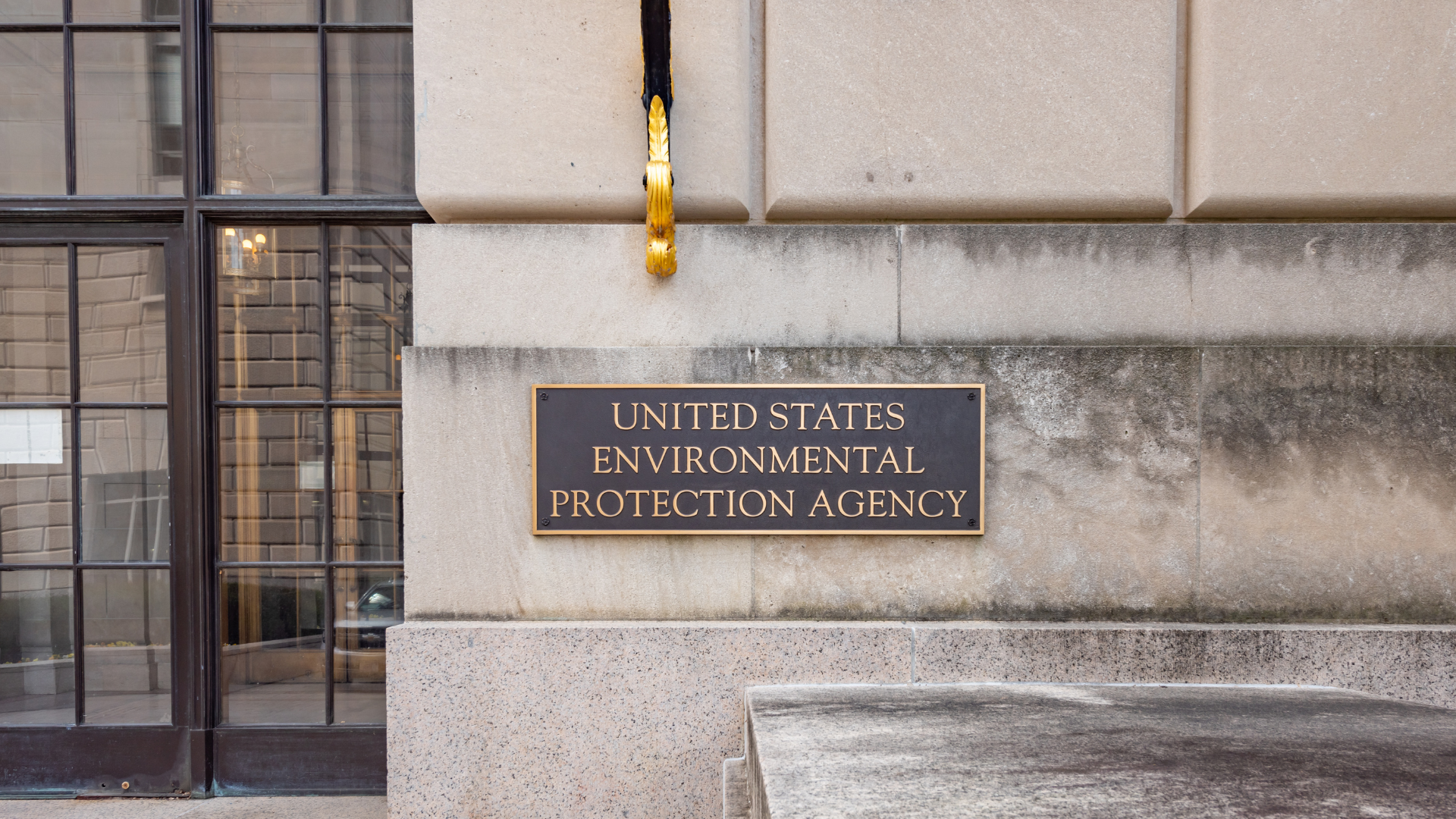
Image: EPA via Canva
In 2020, during his first term, President Trump signed into law the American Innovation and Manufacturing (AIM) Act — designed to phase down the production and consumption of hydrofluorocarbons (HFCs) — which set the stage for the HVAC industry’s A2L transition.
What’s happening: The AIM Act directed the EPA to create an allowance system that limits the amount of HFC refrigerants entering the market, as well as a timeline for phasing them down.
- It also enabled the agency to issue the Technology Transitions (TT) Rule, which was finalized in 2023 under President Biden and set deadlines after which certain HVAC equipment could no longer be imported, manufactured, or installed.
- The EPA proposed changes to the rule in fall 2025, and formally revised it on Thursday, contending its provisions were “forcing more expensive technology onto consumers.”
Why it matters: The TT Rule initially prohibited the installation of most residential and light commercial R-410A systems after January 1, 2026.
- Thursday’s final rule officially removes that deadline, allowing existing R-410A inventory to continue to be installed indefinitely.
Yes, but: The final rule also pushes back — until 2032 — deadlines by which certain commercial refrigeration equipment, including supermarket food coolers, must transition away from certain high-GWP refrigerants.
- Contractors and distributors broadly welcomed the removal of the R-410A deadline; however, industry associations warned that allowing older, high-GWP commercial refrigeration equipment to continue to be sold while the associated refrigerants are still being phased down will raise refrigerant prices across the industry.
What they’re saying: “The changes would significantly increase demand for refrigerants that are facing a statutory decrease in supply under the American Innovation and Manufacturing (AIM) Act,” HARDI wrote in a news release.
- The rule change is a “costly mistake” for the HVACR industry, it added, estimating that “increased demand for these refrigerants could cost the refrigeration industry nearly $8 billion in refrigerant costs alone, with economic ripple effects increasing the total cost to $13 billion.”
- HARDI warned that “the impacts will not be limited to supermarkets or cold storage facilities, but will affect the broader HVACR market, including contractors, distributors, building owners, manufacturers, and consumers.”
Between the lines: “Basically, the HFC phasedown is a careful balance between reducing demand through the TT rule and decreasing supply under the AIM Act; this rule change upsets that balance, likely causing shortages that will require future regulations and equipment transitions,” Alex Ayers, vice president of government affairs at HARDI, told Homepros via email.
Go deeper: ACCA similarly explained in a blog post that Thursday’s rule change “will significantly increase the demand for the limited supply.”
- Sean Robertson, the association’s vice president of government relations, told Homepros that the changes “will likely increase refrigerant prices and accelerate a transition to highly-flammable A3 refrigerants.”
- “The final rule was also a missed opportunity to provide relief from the January 1, 2027, installation deadline for VRF/VRV equipment,” he added. “These changes risk supply chain disruptions and increased prices at a moment when America’s contractors and their customers can least afford them.”
- Meanwhile, the final rule harms U.S. manufacturers that redesigned products, retooled factories, and trained workers to phase out refrigerants based on the 2023 rule, AHRI said in a statement.
The big picture: The residential HVAC industry has largely adjusted to new refrigerants, with A2L equipment having comprised more than 90 percent of distributors’ equipment sales last fall, according to HARDI data.
- Reuben Petty, director of digital solutions at Johnson Controls, cautioned in a LinkedIn post that “regulatory whiplash” breeds frustration for businesses, and that any short-term economic benefit could be negated by future environmental problems, as the rule change paves the way for millions of tons of highly potent greenhouse gases to enter the atmosphere.
- “There is no such thing as a free lunch in either economics or thermodynamics,” he wrote. “The true cost of artificially cheap refrigeration today might very well be devastating agricultural disruptions tomorrow.”
📬 Get our stories in your inbox
Keep reading

Why renting HVAC equipment in the U.S. isn’t as popular as in Canada — yet
Rentals gained significant traction in Canada as a compliment to gas services

Quick Hits: This Week in HVAC
December 26, 2023

The next chapter of pricing in HVAC
Dynamic pricing has some hurdles to overcome, but it's coming