EPA nixes requirement to track refrigerant cylinders with QR codes
In a win for contractors, the EPA dropped its previously proposed QR tracking requirement for all refrigerant cylinders

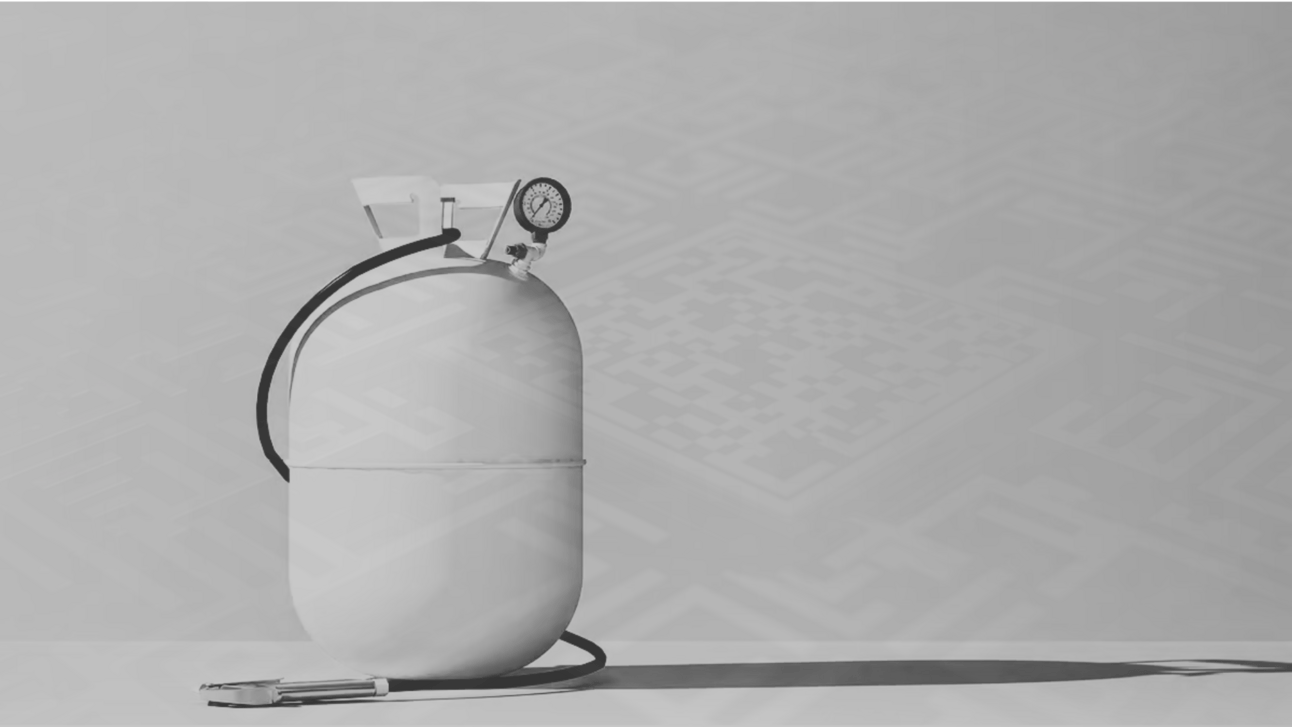
Image: Perfect Aire
The EPA yesterday published a long-awaited rule for managing HFC refrigerants, dropping a previously proposed requirement for QR code tracking on all refrigerant cylinders.
What’s happening: In April 2021, the Environmental Protection Agency (EPA) proposed implementing a QR code tracking system for refrigerant cylinders starting on January 1, 2025, primarily to prevent smuggling.
-
Industry groups immediately opposed the requirement, arguing it exceeded EPA authority and would unnecessarily burden contractors and distributors.
-
A court agreed in June 2023, striking it down, and the EPA was encouraged to comply.
In yesterday’s final rule, the EPA noted it’s “not implementing or enforcing the QR code and tracking requirements for all cylinders containing HFCs.”
The bottom line: The removal of the requirement is a win for the industry. “This victory… is a testament to our proactive efforts to find workable solutions for our members regarding implementation of the AIM Act,” said HARDI CEO Talbot Gee.
-
“We remain committed to working with federal regulators to craft practical, effective policies that safeguard the environment without damaging our members' operations.”
Keep reading

Skilled trades expo to hit Patriots stadium
Bring Back the Trades, a skilled trades-focused nonprofit, will host an upcoming 'Skills Expo' at Gillette Stadium

Most Read: June 2024
The top five reads from last month, in order

$3 billion later with SF&P Advisors’ Fred Silberstein
January 15, 2024
