HVAC buying indicator falls in August
An indicator of HVAC purchasing intent is down nine percentage points from a year ago


Image: Adobe
U.S. consumers remain wary of buying big-ticket household items amid broader economic worries, University of Michigan data released Friday suggests.
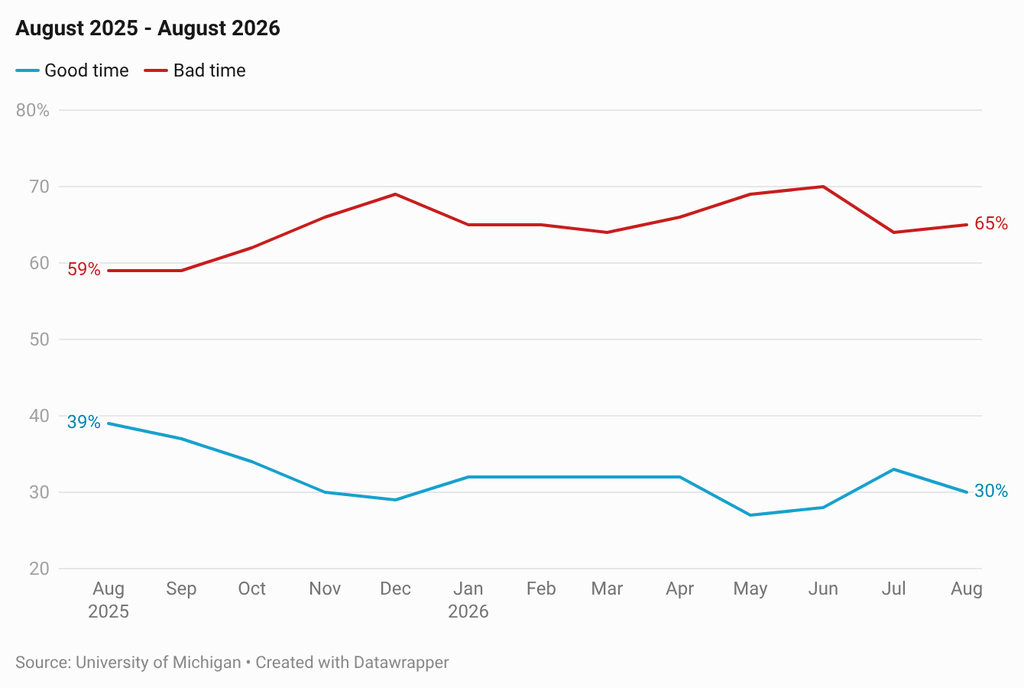
What’s happening: Asked in August whether now is a good or bad time to buy ‘large household durables’ including appliances — an indicator of HVAC purchasing intent — 30 percent of respondents answered that it was a good time, while 65 percent said it was a bad time.
- For “good time” responses, that marks a drop from 33 percent in July — and 39 percent in August 2025.
- Over the last 12 months, “good time” sentiment was lowest in May, at 27 percent.
Zoom in: Asked for their reasoning, those who said it was a good time to buy in August selected “Prices are low; good buys available” and “Prices won’t come down; are going higher” as the two most common reasons.
- However, “Prices are high” and “Times are bad; can’t afford to buy” were the two most-selected reasons among those who said it was a bad time to buy during the month.
Zoom out: The university on Friday also released its final consumer sentiment reading for September, which fell to a four-month low and is down 15 percent from January 2026.
- High gas prices and rising interest rates are among the reasons U.S. consumers feel pressured.
What they’re saying: “Short-run expected business conditions plunged amid renewed worries that elevated fuel prices and reescalating trade disputes could pass through to the economy as a whole,” U-M economist Joanne Hsu, director of the surveys, said in a statement.
Keep reading

Heat pump startup raises $20 million to expand across U.S.
California-based Quilt is available in 16 U.S. states and five Canadian provinces, and works with over 60 contractors, per an announcement
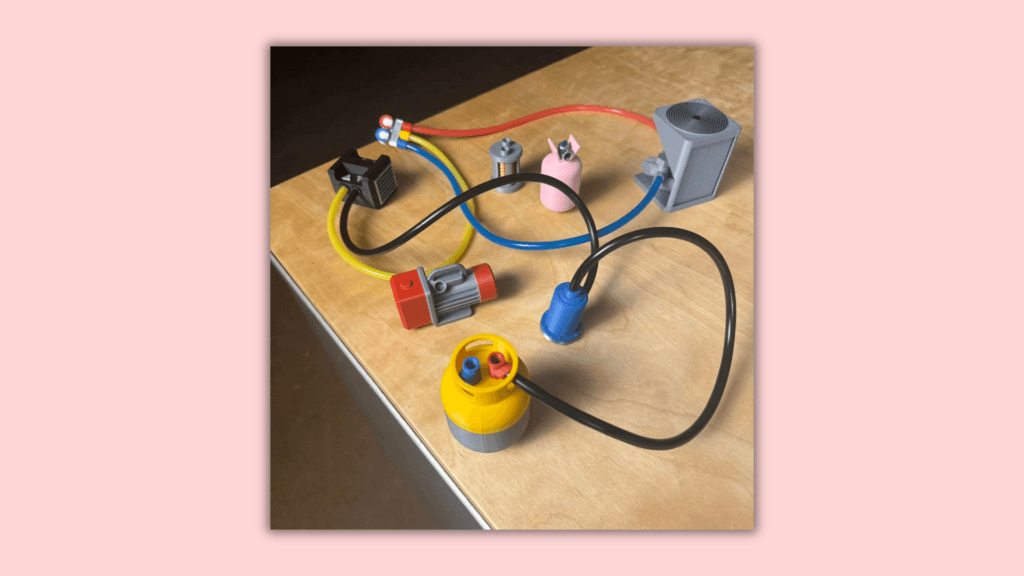
Tabletop Mechanical launches Lego-style HVAC and plumbing training kits
The new company is an offshoot of Louisiana-based contractor Storer Services
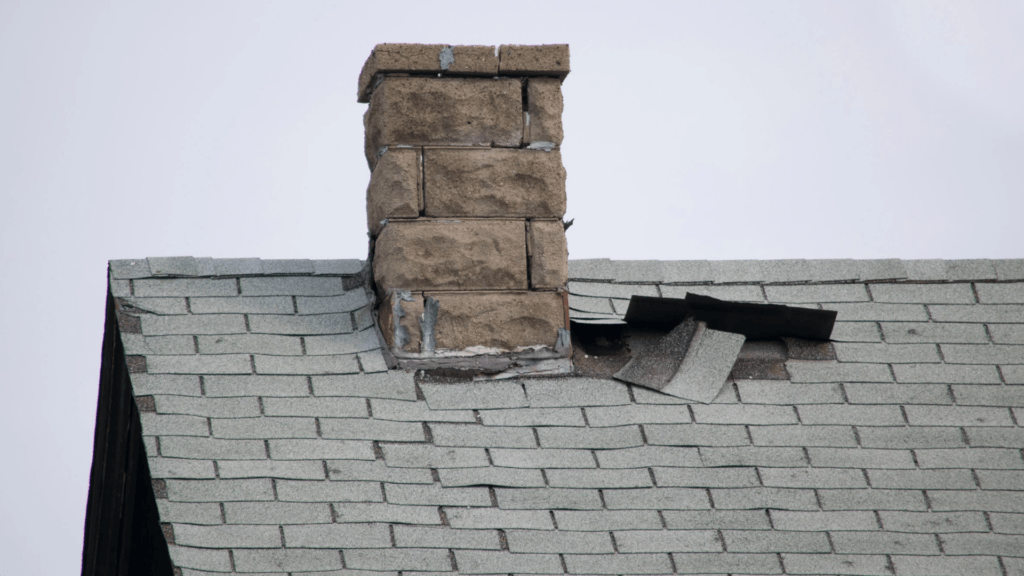
ARMA pushes back on IBHS shingle report, FORTIFIED age cap
The association calls recent IBHS research “fundamentally compromised” and advocates for consumers to challenge new rules