Lennox CEO, CFO on consumers, residential volumes, and tariffs
The company this week kicked off HVAC manufacturers' second-quarter earnings reports, with execs pulling the curtain back on several trends


Image: PCBS via Lennox
Lennox this week kicked off HVAC manufacturers’ second-quarter earnings reports, with executives pulling the curtain back on consumer demand, market trends, and the ongoing tariff situation.
The big picture: Since the company’s last earnings call in late April, the Trump administration has announced new tariffs and moved forward with eliminating a set of HVAC-focused tax credits at the end of this year.
What’s happening: During the quarter, R-454B equipment represented 90 percent of Lennox’s ‘refrigerant-based’ product sales, and the company’s revenue grew slightly — but its residential unit volumes fell nine percent year-over-year.
- “As anticipated, [residential] sales volumes declined, mainly because contractors and distributors are still selling through their R-410A inventory,” CFO Michael Quenzer said Wednesday.
- “The slowdown was also influenced by continued softness in residential new construction and industrywide shortages of R-454B canisters,” he added, noting this “may have led to an increase in system repairs instead.”
Zoom out: At the end of the first quarter, Lennox provided full-year guidance shaped by expectations of a potential recession, with concerns that tariffs would lead to inflation, and that inflation would lead to consumers pulling back, CEO Alok Maskara explained.
- But, but, but: That hasn’t happened. “Things have just become more stable for the U.S. economy since then,” he said, referencing a more positive view on consumer confidence — and demand — going forward.
- For context, though 16 percent lower than December 2024, consumer confidence in July reached its highest value in five months, according to preliminary data from the University of Michigan.
And yet: Despite the improved outlook, “We are beginning to see that more homeowners are choosing repair versus replace,” Maskara said — a U-turn from his April assessment — “as inflation and government incentives continue to influence some consumer behavior.”
- However, he added that, from his — and the company’s — perspective, rising prices haven’t contributed to a meaningful decrease in demand. “It remains a necessary purchase,” he noted.
Show me the tariffs: Despite a number of countries’ tariff rates recently being lowered from their April levels, “[T]here’s a lot of uncertainty,” Maskara acknowledged. “You and I both wish we knew what’s going to happen on tariffs tomorrow, but we don’t.”
- “[W]e remain concerned about tariffs coming from South Korea. We remain concerned about some of the August 1 tariff deadlines. And we remain concerned about the future of the U.S.-Mexico exemption,” he added. “So, we continue to watch out for those.”
Looking ahead: While Lennox projects full-year residential unit volumes to fall low-single-digits, and “the broader environment remains challenging,” per Maskara, “our internal momentum continues to accelerate,” he said.
- “Equipment inventories in the channel are moving towards more typical levels, and the availability of R-454B canisters is expected to continue improving,” he added.
- Lennox will report third-quarter earnings in late October, while Carrier, Trane, and Watsco are set to report second-quarter earnings next week.
Keep reading
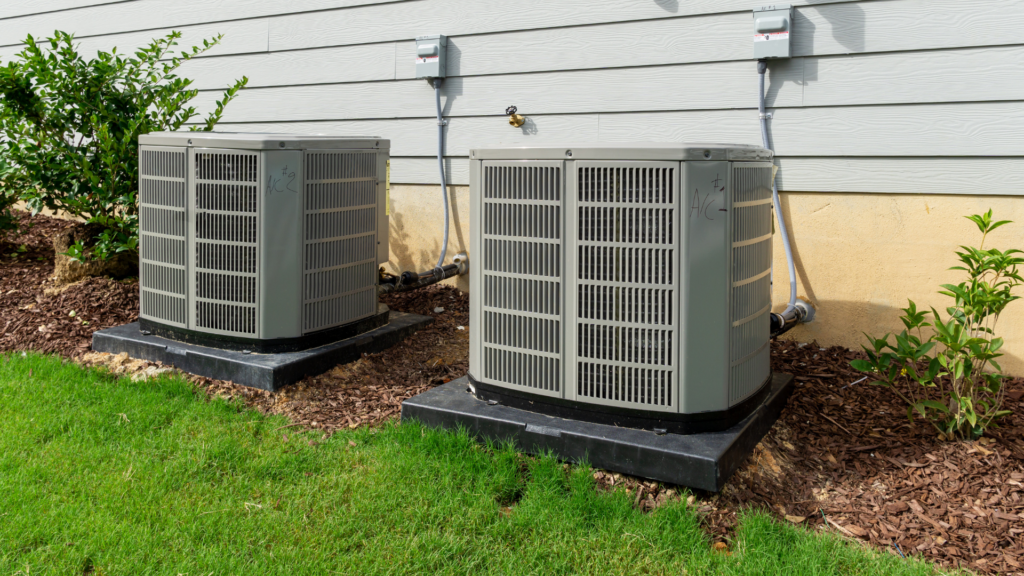
HVAC shipments rise in April, extending recovery streak to three months
Shipments of air conditioners, in particular, rose eight percent year-over-year during the month, while heat pump shipments increased by 1.8 percent
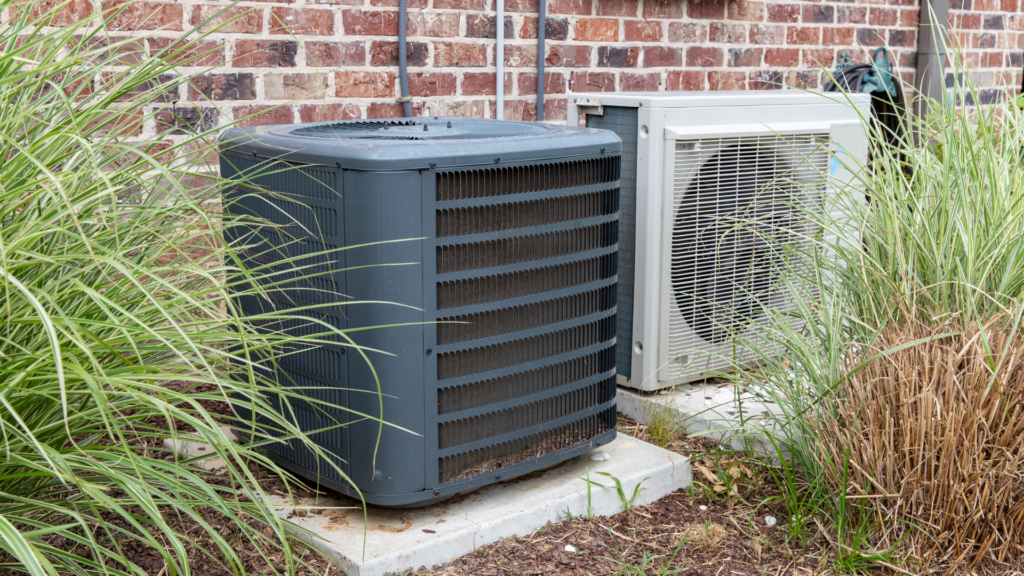
AC, heat pump unit volumes split by efficiency rating: HARDI
HARDI distributors’ combined unit volumes for air conditioners, heat pumps, and furnaces fell 8.2 percent over the 12 months through May 2026, compared to the prior 12-month period. But that decline isn’t uniform
AHRI presses court to fast-track EPA refrigerant rule challenge
Refrigerant prices across the industry could rise under an updated rule published in May, the association argues
