NYC program deploys plug-in power banks for window AC units
CEO Andrew Wang told Homepros that the program launched last summer with 100 units and has expanded to roughly 1,000 this month

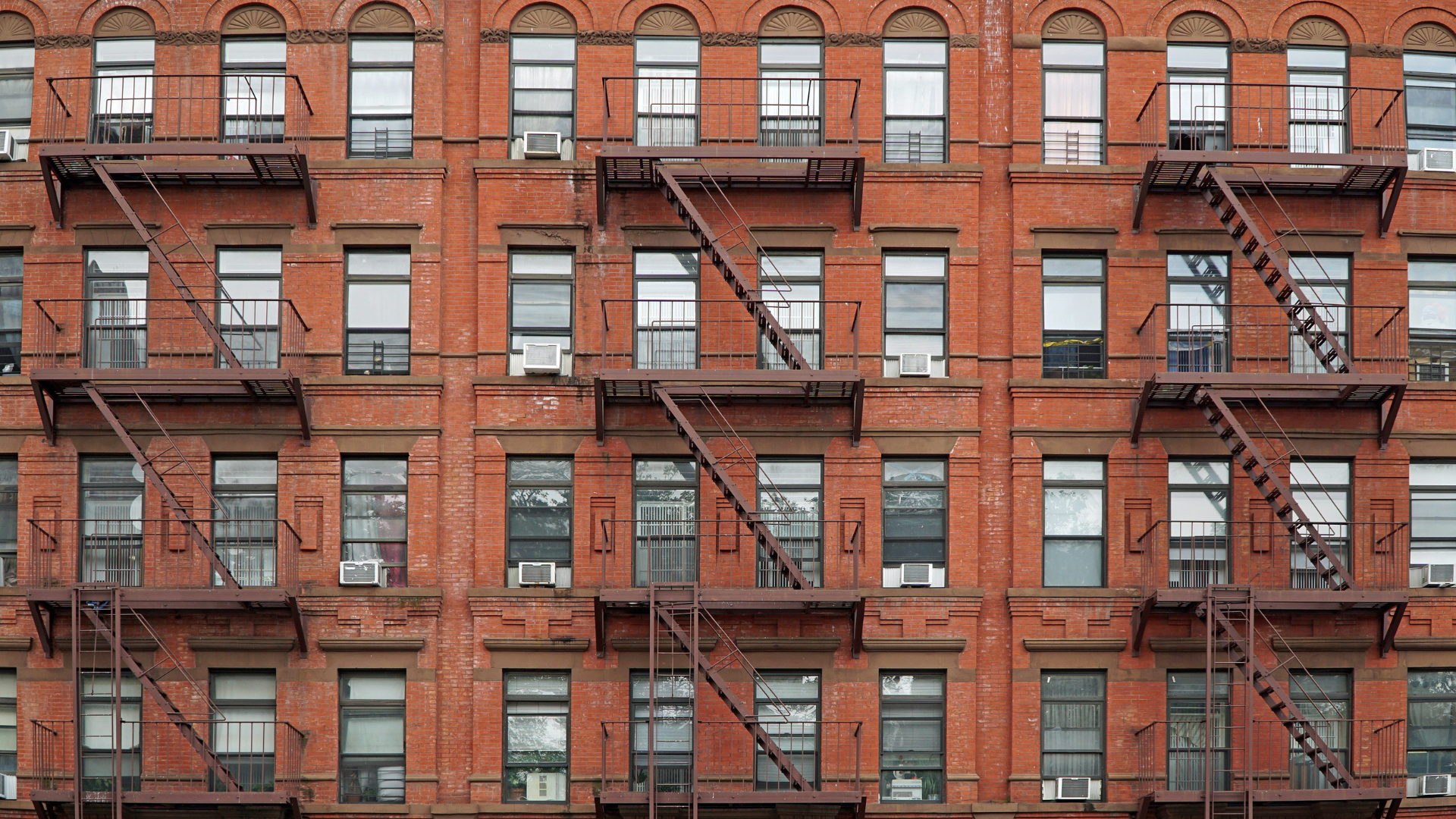
Image: Adobe
As part of a pilot program, a startup is giving New York City residents free plug-in power banks from which they can run their window AC units.
What’s happening: The city’s primary utility, Con Edison, offers incentives to customers who temporarily reduce their energy use during peak demand times; however, individual units don’t typically draw enough electricity to qualify on their own.
- Based in New York City, startup Every Electric functions as an aggregator, effectively bundling residences to create a “virtual power plant” large enough to qualify for such incentives.
How it works: For a $50 refundable deposit, Every Electric provides residents with a power bank, which they plug their window unit into, then plug into the wall.
- The company’s smartphone app tracks energy demand, charging the power bank during off-peak hours and using it to power the AC unit during peak times.
- Participants can earn up to approximately $150 per unit per year in rebates.
What they’re saying: CEO Andrew Wang told Homepros that the program launched last summer with 100 units and has expanded to roughly 1,000 this month, with thousands on a waitlist.
- Wang said he’d like to partner with contractors: “There is a market for folks to help install these units. They’re relatively quick jobs,” he said.
- “This could be a value-add piece where you’re helping plug in a power bank with each air conditioner, and that’s helping offset the ongoing costs,” he added.
- While the program currently targets window and portable AC units, Wang would like to expand to mini-split and central air systems, he noted.
Keep reading

Colorado lawmakers urged to exempt propane water heaters from ultra-low NOx rule
An estimated 100,000 households in Colorado use propane water heaters
Lawmakers move to protect low-income HVAC program
A bipartisan set of lawmakers on Monday introduced a bill to protect a $4 billion HVAC program, as the Trump administration eyes cutting it

HVAC distributor sales grow in July, despite economic uncertainty
HARDI members' sales grew 6.8 percent year-over-year in July, according to the company's latest monthly report
