Smart home startup Shipshape launches integration with Google Nest
January 8, 2023

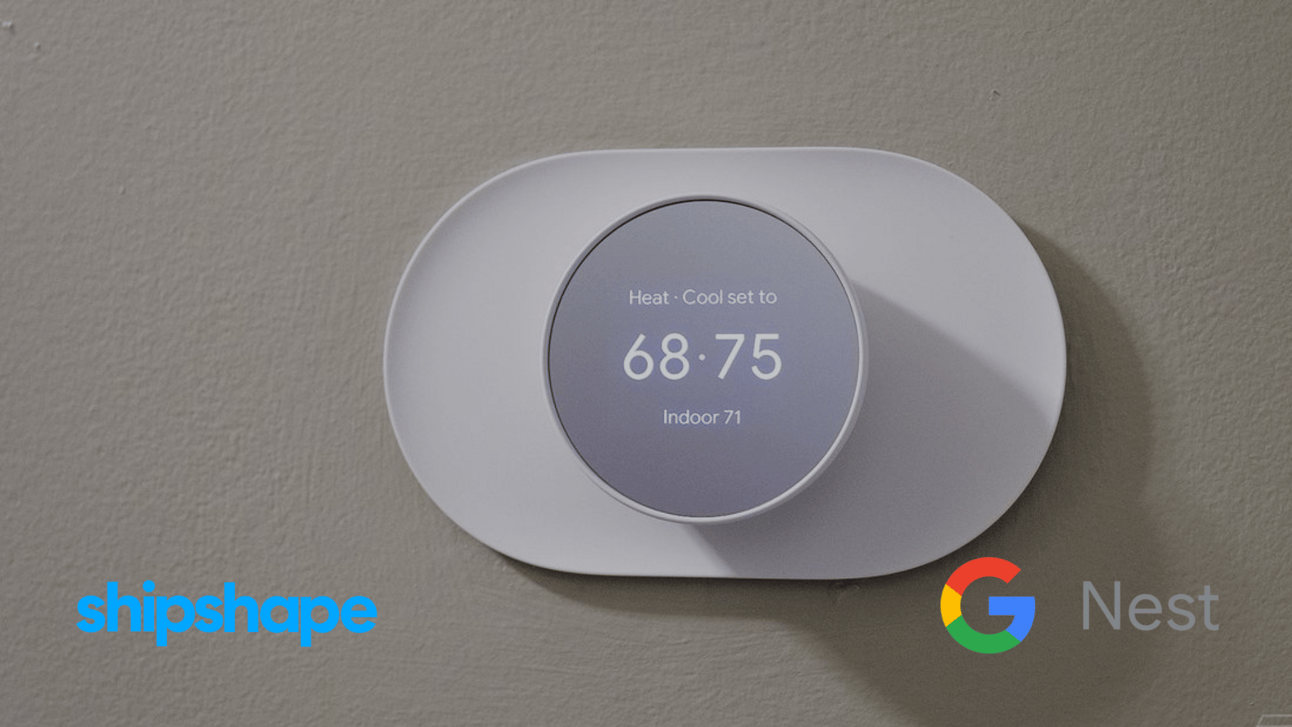
The Verge | Logos are property of Google and Shipshape
Shipshape, a provider of smart home maintenance solutions, announced an integration with Google Nest thermostats, building on its existing integrations with Honeywell and Ecobee.
Background: Shipshape bills itself as the “AI-powered assistant for your home”, allowing homeowners to proactively monitor their HVAC and plumbing equipment to spot issues before they occur.
Why it matters: As technology improves, there’s a growing consumer preference toward proactive (versus reactive) home management.
- The number of US households actively using smart home devices sits at 63 million and is projected to grow to 90+ million over the next few years.
How it works: Shipshape’s sensors attach to equipment (appliances, furnaces, heat pumps) and wirelessly sync them to its “gateway”. The gateway then beams updates to Shipshape’s mobile app, giving homeowners real-time insight into their equipment statuses.
- The new integration will let customers with Google Nest thermostats manage them from Shipshape’s mobile app.
For contractors: Shipshape gives its in-network contractors an add-on service to sell, access to its customer base, and the opportunity to ride the preventative home maintenance wave.
- “We’re excited to educate homeowners on the importance of home maintenance while providing peace of mind, ensuring their systems are performing at peak efficiency,” said Davey Bishop, a contractor in Shipshape’s network.
The bottom line: Shipshape is on a mission to modernize America’s aging homes, and believes that building a connected platform — bringing contractors and homeowners together — is the winning formula.
Keep reading
HVAC shipments soar 55% in November
The increase marks eight consecutive months of growth and puts year-to-date shipments 11 percent above 2023

HVAC buying indicator edges down in September, survey finds
The share of U.S. consumers who felt it was a good time to buy major household items fell slightly in September, per the University of Michigan

Industry groups challenge EPA rule over threat of refrigerant price hikes
“By allowing new commercial refrigeration systems to be built on legacy refrigerants, the rule artificially inflates demand and squeezes the entire market, including the residential AC segment,” HARDI wrote
