Service Experts kicks off franchise push
The 30-year-old HVAC and plumbing platform, which generates roughly $1 billion in annual revenue, announced in late 2025 that it would begin offering franchises

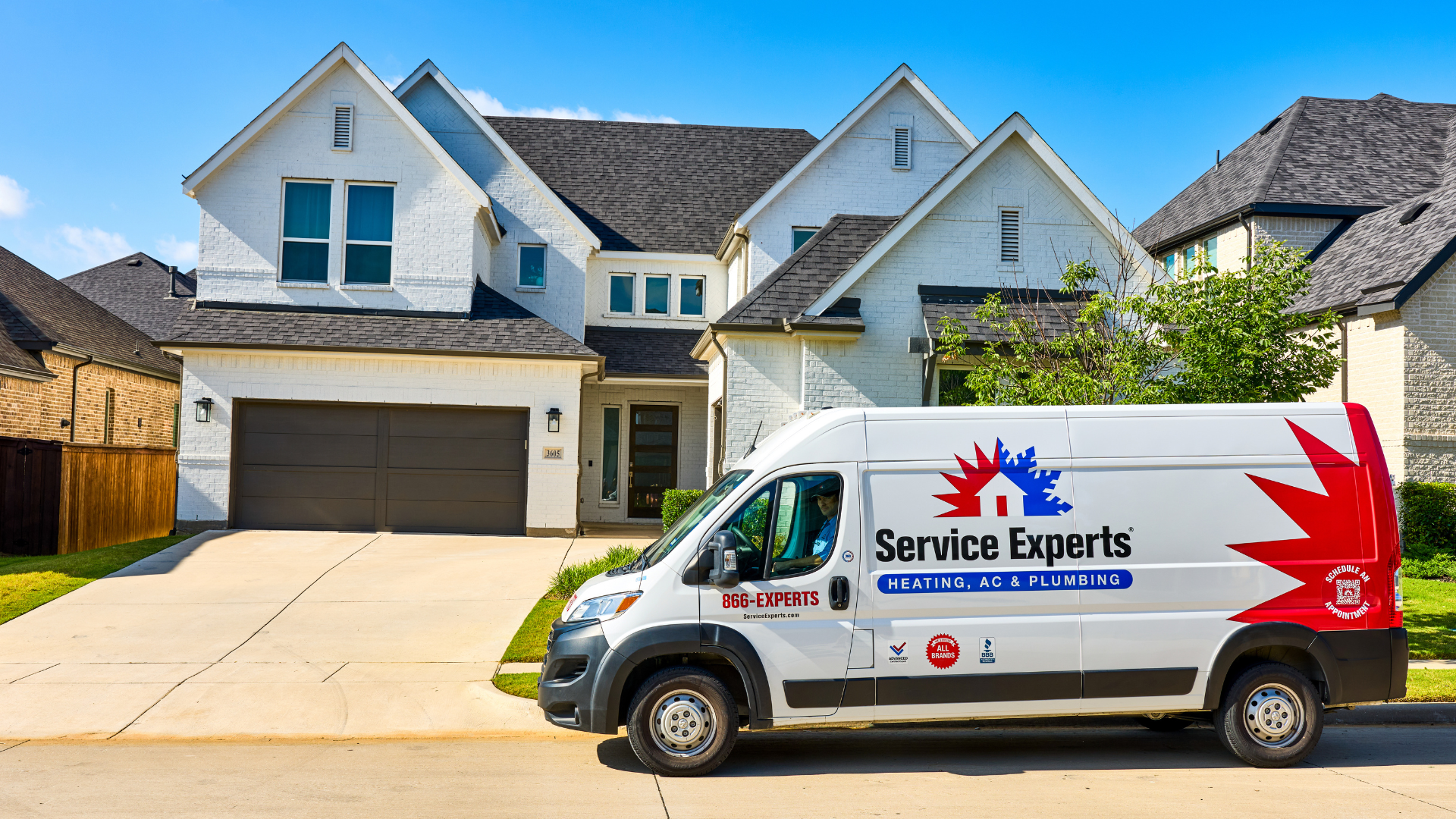
Image: Service Experts
Service Experts, the 30-year-old HVAC and plumbing platform that counts about 80 locations across 31 states and generates roughly $1 billion in annual revenue, announced in late 2025 that it would begin offering franchises.
To explore why, as well as the mechanics, Homepros caught up with Nick Ridgway, VP of Franchise Development at Service Experts, and Daniel Botero, a senior vice president at Brookfield, the company’s parent.
Below is our conversation, lightly edited for clarity.
I understand that you’ve grown both organically and through M&A over the years, so why do this now?
Daniel: We won’t stop organic growth; that’s at the heart of what we do. Taking a step back, we’ve grown a lot through M&A. But it became too common in the space to the point that it wasn’t attractive, because of two things.
One is that valuations in the sector, at some levels, were no longer attractive. The second is that we’ve realized, through all the M&A we’ve done, how much effort and time it takes to integrate these assets into your platform so they look the same as your core business.
Why franchising, in particular?
Brookfield had prior experience with franchising in a different vertical, so we explored it further, and when we did that exercise, we found that franchising gave us four things.
Number one, the alignment of a national brand with local owners, which is a powerful combination. Two, the market density and operational discipline that it brings. By making clear territory delineation, we’re able to allow GMs and franchise owners to focus their attention on a specific customer base.
Three, brand reach, as this allows us to enter new markets in partnership with local expertise. And four, this opens a whole new channel for us to deliver our Advantage [leasing] program to new locations.
So does this mean that you’re deprioritizing M&A entirely?
Yeah.
What does the actual approach look like for growing the franchise network?
Nick: We have a couple of paths to get in. One is greenfielding — a new market, no prior experience, a corporate refugee, or something along those lines. The other is to expand through conversions [of existing contracting businesses], and that’s big for us.
Are you focusing more on one versus the other for now?
We’re focusing on both. We’re looking for local contractors who want to convert their business, and we have a strong value proposition for them, including buying power, the Advantage program, and overall support to help scale the business. And for greenfields, we also have the playbook to train them and help them set up from scratch, regardless of their background.
Service Experts has corporate locations across the country, so won’t that create a conflict of interest with franchises operating in the same markets?
No, they’ll work synergistically. A franchise will have a specific territory, and a corporate location will have a specific territory, so they won’t cross each other. We’re saying, ‘Hey, we service these zip codes, you service these.’
Beyond territory, what will the corporate-franchise relationship look like?
Nick: Corporate locations become a center of innovation. A lot of franchises don’t operate corporate locations at scale, which we’re planning on continuing to do.
Daniel: Having a robust corporate network allows us to test new products and technologies, and if they work, we’ll roll them out to franchising. It’s a spillover effect.
I get the standard support playbook — marketing, purchasing power, etc. But what are the primary money flows from franchisees in your case?
Nick: There’s a royalty that goes to Service Experts for use of the brand. There’s a brand fund that they contribute to, which gets reinvested into the business to support the promotion and advertisement of the Service Experts franchise. And then there’s a technology fee, as we support them from a technology standpoint.
[According to Service Experts’ franchise agreement, negotiated initial royalties for conversion franchises are two percent of gross revenue in year one, four percent in year two, and six percent from year three onward. Greenfield franchises pay six percent from the start.]
A central part of Service Experts’ business model is the Advantage program, in which homeowners don’t pay upfront for new installs; they lease equipment and pay monthly, which also covers ongoing maintenance and repairs. Why has no one else been able to truly crack that in the U.S.?
Daniel: One is education. You need to educate customers, because there are cultural barriers and preconceptions of what leases are. You need a different sales model and to train your people to go into the home and explain it to the customer. So they have to buy into it.
And you need a strong financial capability so you’re able to hold all the paper that’s out there and finance it the right way. So it takes several building blocks to offer this at scale.
When we acquired Enercare in 2018, which Service Experts was part of, the penetration rates were almost nonexistent, and we’ve been able to get them to 50-60 percent, meaning one out of every two installations we do is under the Advantage program. But it’s taken us years to refine that playbook in the U.S.
Speaking of the acquisition, you guys are eight years in. Is there an exit on the horizon? And how would that impact the franchising initiative?
I can’t make any comment on when the right moment would be to exit the business, but we’re a long-term investor. This sits in our infrastructure funds, which are typically longer term than traditional private equity, giving us a little bit more oxygen and time to execute.
From a franchisee perspective, they’ll continue owning it regardless of what happens upstairs. That’s not something that would change anything dramatically. And they can sell their business if they want to. Of course, we want to keep long-term owners in our program, but if you own a McDonald’s, for example, you can sell it whenever you want. This is the same scenario. They own their business.
In January, you announced your second franchise location. What’s the goal by the end of this year — 10? 20?
We have ambitious growth plans, but we want to grow responsibly — and with the right owners. Those numbers that you floated are probably in the ballpark of what would be a good success number for this year.
Keep reading

June, July face tough weather comps — but a warm forecast
U.S. cooling demand in June and July 2024 ran above normal levels, though a warm summer forecast may help offset the tough comps

Noncompetes are sticking around
The FTC's proposed ban on noncompete agreements was blocked by a judge

Nexstar Network parts ways with private equity
The coaching and training group has decided to part ways with its private equity-backed members, which represent 33% of its membership base