Trump admin lays off staff of low-income HVAC program
The administration last week fired the team managing a $4 billion program that helps low-income households pay for heating and cooling bills

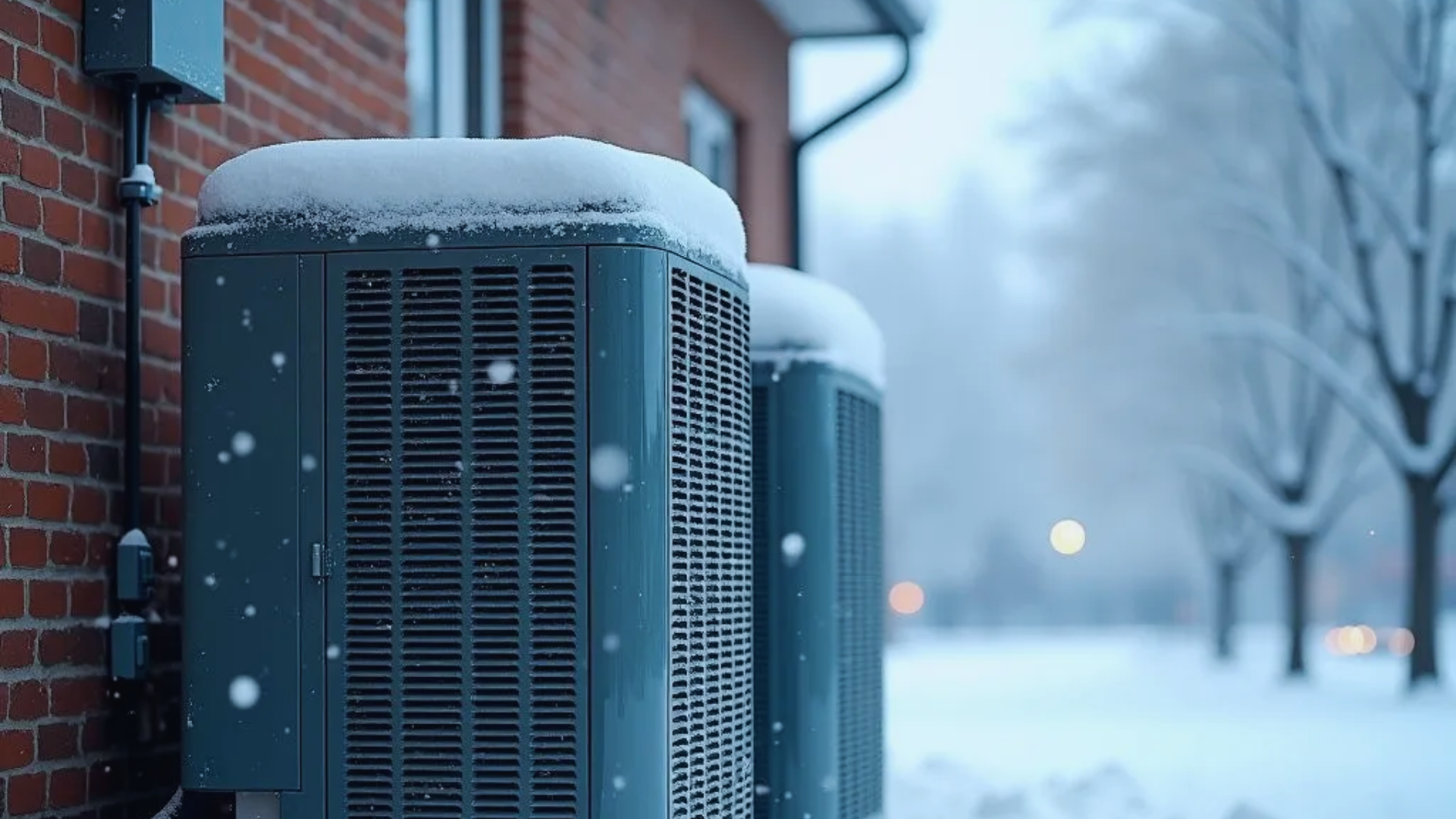
Image: Dr. Frost
The Trump administration last week laid off the entire staff of a $4 billion program that helps low-income households pay for heating and cooling bills, weatherization, and other energy-related home repairs.
The big picture: The layoffs were part of a broader restructuring on Monday, in which the Department of Health and Human Services fired 10,000 employees.
- “Our hearts go out to those who lost their jobs,” said Health Secretary Robert F. Kennedy Jr., adding that the department, however, needed to be “recalibrated.”
What’s happening: The ‘Low Income Home Energy Assistance Program’ (LIHEAP) serves over six million U.S. households annually and previously employed two dozen people.
- “They fired everybody, there’s nobody left to do anything,” said Mark Wolfe, executive director of the National Energy Assistance Directors Association.
- Congress had approved $4.1 billion for the program this fiscal year, and about 90 percent of the money had been sent to states as of October, according to the New York Times.
- Of note: Rather than sending money directly to homeowners, states receive funds and then allocate them to qualifying households.
Zoom in: There’s roughly $378 million left in the budget, and states are worried about whether they’ll receive their funds as cooling season approaches.
- “If there’s no staff, how do you allocate the rest of this money?” Wolfe said. “If we don’t [receive our remaining funds], some states will not run their cooling programs this summer. They’ll scale them back.”
- Minnesota’s Commerce Department, which expected an additional $12 to $13 million to help over 10,000 households, predicts it will run out of money by mid-April.
What to watch: 13 Senators, including two Republicans, on Thursday sent a letter to Mr. Kennedy, urging the administration to reconsider, stating that the program is a “crucial lifeline” for low-income households.
- While it’s unclear whether a response has been given, a representative for the Department of Health and Human Services told Homepros in an emailed statement, “All statutorily required programs will remain intact.”
Keep reading
Lennox, Watsco CEOs: A2L sales accelerating, R-454B issues temporary
Both companies reported Q1 earnings this week, with their CEOs commenting on A2L sales, R-454B issues, tariffs, and consumer trends
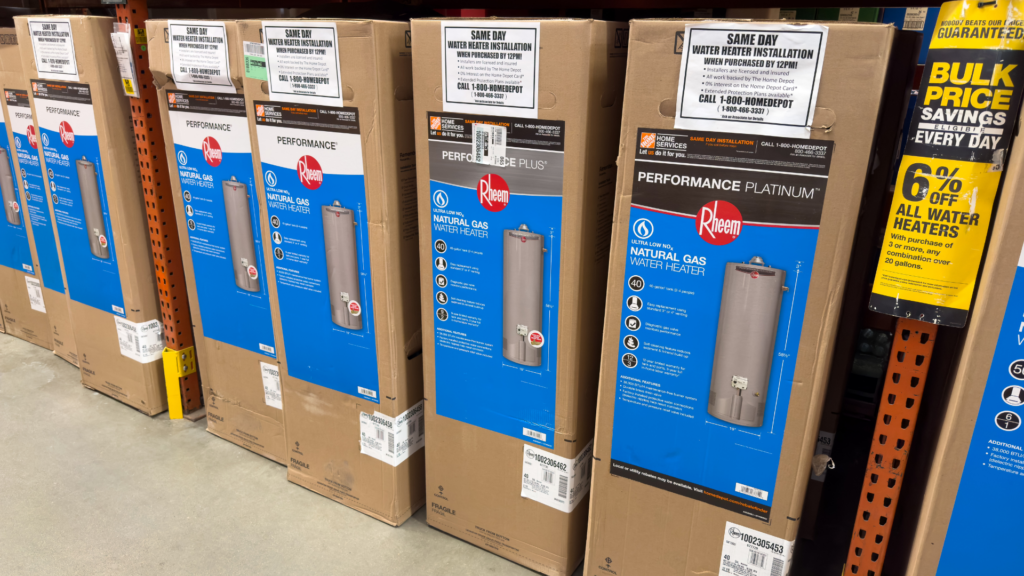
Residential water heater shipments slide through May as gas hits lowest five-month total since 2012
From Jan. to May, roughly 1.79 million gas water heaters were shipped, down 5.4 percent year-over-year, marking the lowest cumulative total since 2012

State energy efficiency programs face the chopping block
Following New York and Massachusetts, Rhode Island is proposing funding cuts to its energy efficiency plan for next year
