House passes SHOWER Act
The bill aims to end a more than decade-long regulatory back-and-forth over showerhead efficiency standards


Image: Steve Burke / Flickr Creative Commons
The U.S. House of Representatives last week passed the Saving Homeowners from Overregulation With Exceptional Rinsing (SHOWER) Act.
What’s happening: The bill, introduced in July 2025, aims to end a more than decade-long regulatory back-and-forth over showerhead efficiency standards, permanently allowing for heavier water flow — and fulfilling President Trump’s desire to “make showers great again.”
- It would define each nozzle of a multi-head shower fixture as a separate showerhead, each allowed to flow at up to 2.5 gallons of water per minute, versus the entire fixture having to abide by that limit.
- The bill passed with bipartisan support, ABC News reported.
What they’re saying: “If they want a nozzle that dribbles on their head, well then go get one of those. If you want something that slices an orange, well then go get one of those,” said South Carolina Rep. Russell Fry, sponsor of the bill. “That should be your choice as a consumer.”
Yes, but: The bill still needs to pass in the full Senate and be signed by the president to become law.
Keep reading
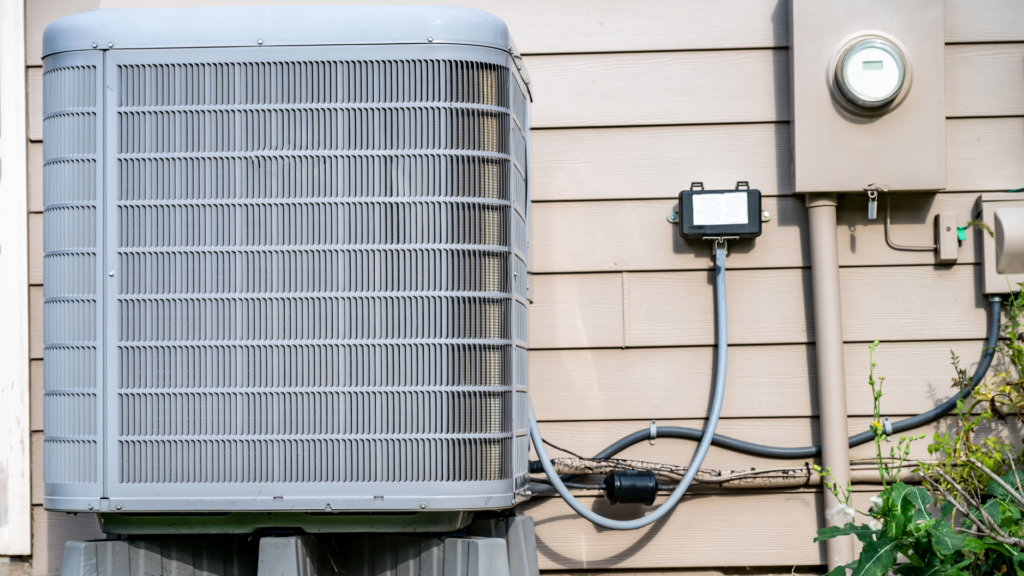
A long-delayed GFCI requirement is set to hit outdoor HVAC equipment in September — unless it’s delayed again
The 2020 National Electrical Code initially included a GFCI protection requirement for outdoor air conditioners and heat pumps

42 minutes with Chiirp’s dealmaker Justin Judd
January 8, 2023

Contractor reporting requirement back in effect — for now
Following a previous block, qualifying U.S. businesses are again required to file beneficial ownership reports by March 21