Most of U.S. to face above-normal temps in August
The U.S., excluding a handful of states, faces at least a 33 percent chance of experiencing above-normal temperatures during the month


Portland, Oregon via Getty Images
Most of the U.S. is set to face above-normal temperatures in August, according to the National Weather Service’s latest monthly outlook.
Why it matters: Nationwide cooling degree days, the primary measure of cooling demand, last August fell slightly compared to 2023, and sat at normal levels for the month, creating a favorable demand setup if this year’s outlook pans out.
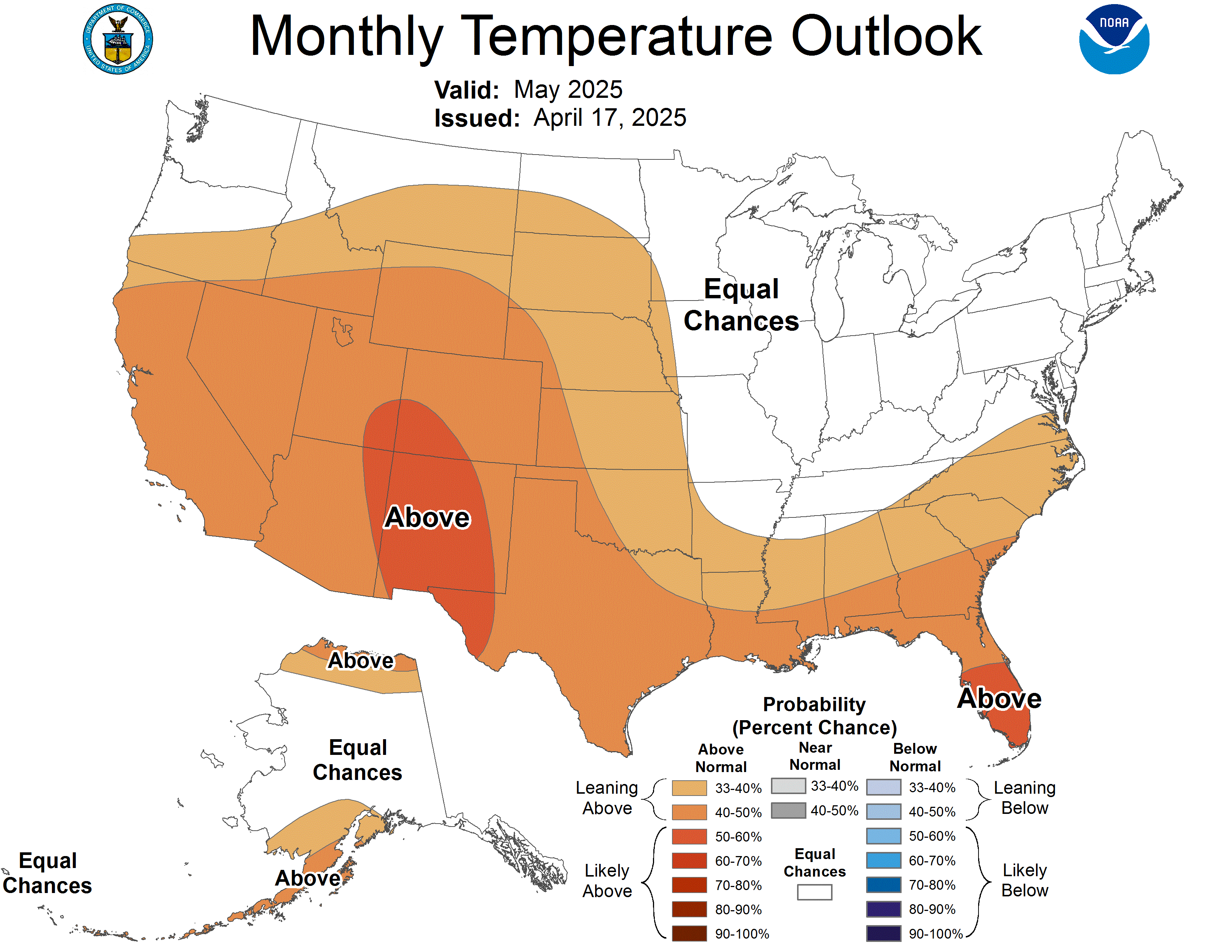
What’s happening: The U.S., excluding a stretch of states from the Midwest to Louisiana, plus Southern California, faces at least a 33 percent chance of experiencing above-normal temperatures in August, according to the outlook, which will update once more on July 31. The excluded states have equal chances.
- Zoom in: In states along the Rocky Mountains, the probability for above-normal temperatures sits above 50 percent, while the Northeast and Florida both exceed 40 percent.
- Full map
The big picture: The outlook marks the second consecutive month where above-normal temperatures were projected (July’s final data will be released in early August), following a mild May, when nationwide cooling demand dropped 24 percent compared to last year, and a record-setting heatwave in late June.
Keep reading

How Yarbrough & Sons uses video to grow its brand
The company views itself as a media company that happens to work on houses

Major HVAC manufacturers accused of price-fixing conspiracy in lawsuit
“These Defendants are alleged to have driven HVAC equipment prices to historic levels through a series of frequent and repeated secret meetings, information sharing, communications, and public signaling,” a law firm involved in the case writes

Homeowners spent $13,667 on home improvements this year
December 11, 2023