Roto-Rooter snaps up two franchises for $20.6 million
The Roto-Rooter corporate entity has been acquiring franchises to “boost productivity, market share, and profitability”

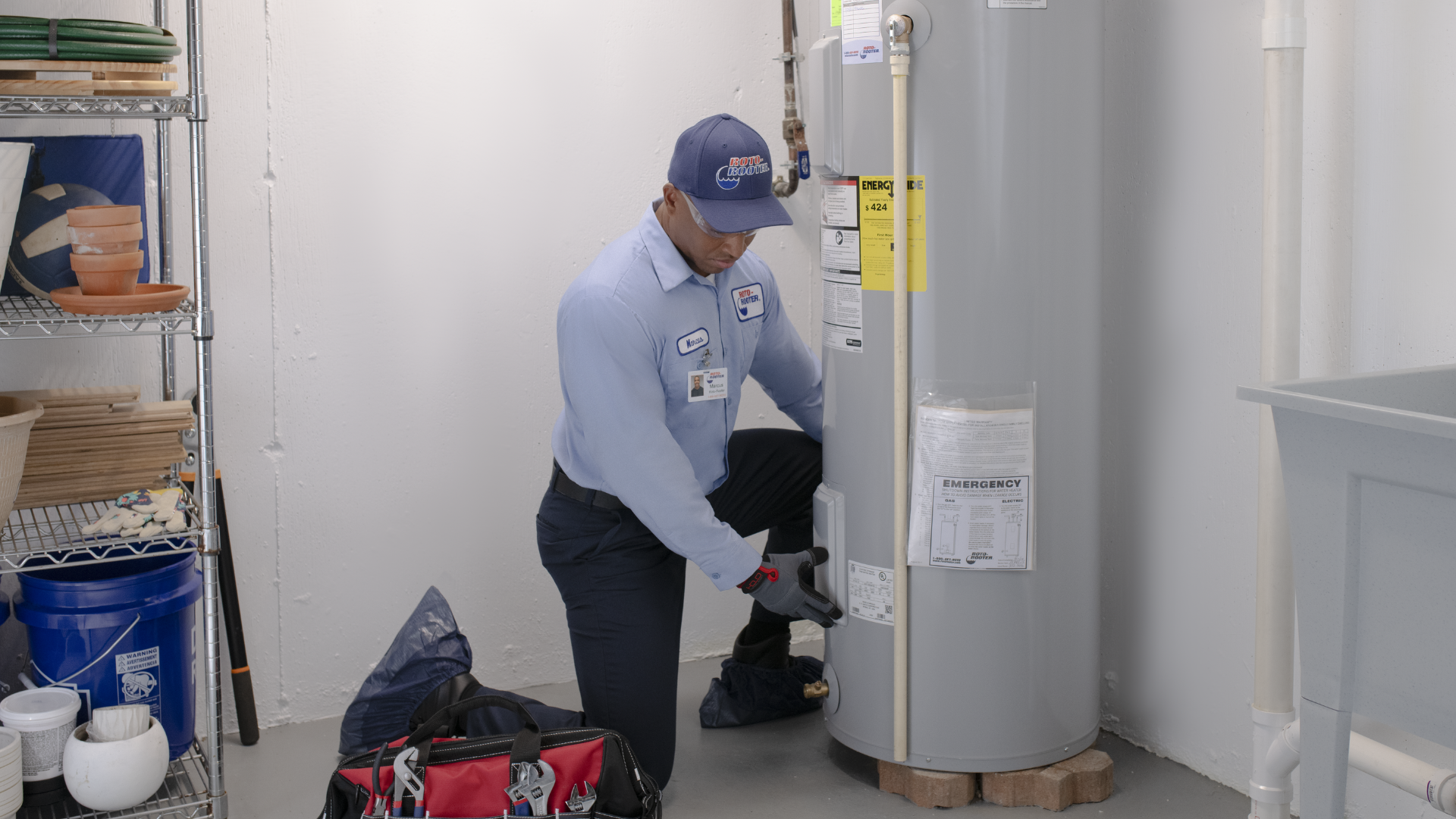
Image: Roto-Rooter
Roto-Rooter has purchased the territory and assets of two of its franchises, the company announced in April — one in San Francisco, California, and one in Fort Worth, Texas.
What’s happening: The Roto-Rooter corporate entity has been acquiring franchises to “boost productivity, market share, and profitability,” according to a statement. The two deals totaled roughly $20.6 million, with the territories covering a combined population of around 3.3 million.
- What they’re saying: The Fort Worth franchise will be a tuck-in to the company’s corporate-owned Dallas branch, and the San Francisco location will be a tuck-in to the corporate-owned East Bay branch, “which is essentially all of the territory around San Francisco,” Michael Witzeman, CFO of Roto-Rooter parent Chemed, told Homepros.
The big picture: While Roto-Rooter once consisted entirely of franchises, the company stopped selling them about a decade ago, Witzeman said.
- “Since we’ve owned Roto [since the early 80s], we’ve bought back 51 of the largest territories in the country, and then 71 franchises in middle-market cities like Savannah, Georgia, [and] Louisville, Kentucky,” he noted. “And we definitely are interested in acquiring, particularly some of the larger ones that we still don’t own.”
- There are about 435 franchises spread across the country. “Over 90 percent of the U.S. population has access to Roto-Rooter services,” Witzeman said.
Keep reading

7 takeaways: ‘Contractor of the Future’ report
A quick look at a recent survey of over 1,000 HVAC contractors nationwide, which included a focus on profitability and operations

BlackRock commits $100 million to skilled trades training
The Future Builders initiative, funded by the BlackRock Foundation, will deploy the capital to nonprofits and workforce development organizations

ChatGPT to open for advertising
In the coming weeks, ChatGPT parent OpenAI will begin testing advertisements in the U.S., according to a Friday announcement