U.S. states sue EPA over refrigerant rule change
As the AIM Act phases down total HFC supply, some argue a late-May EPA rule will “artificially” inflate demand, putting upward pressure on refrigerant prices, including in residential HVAC

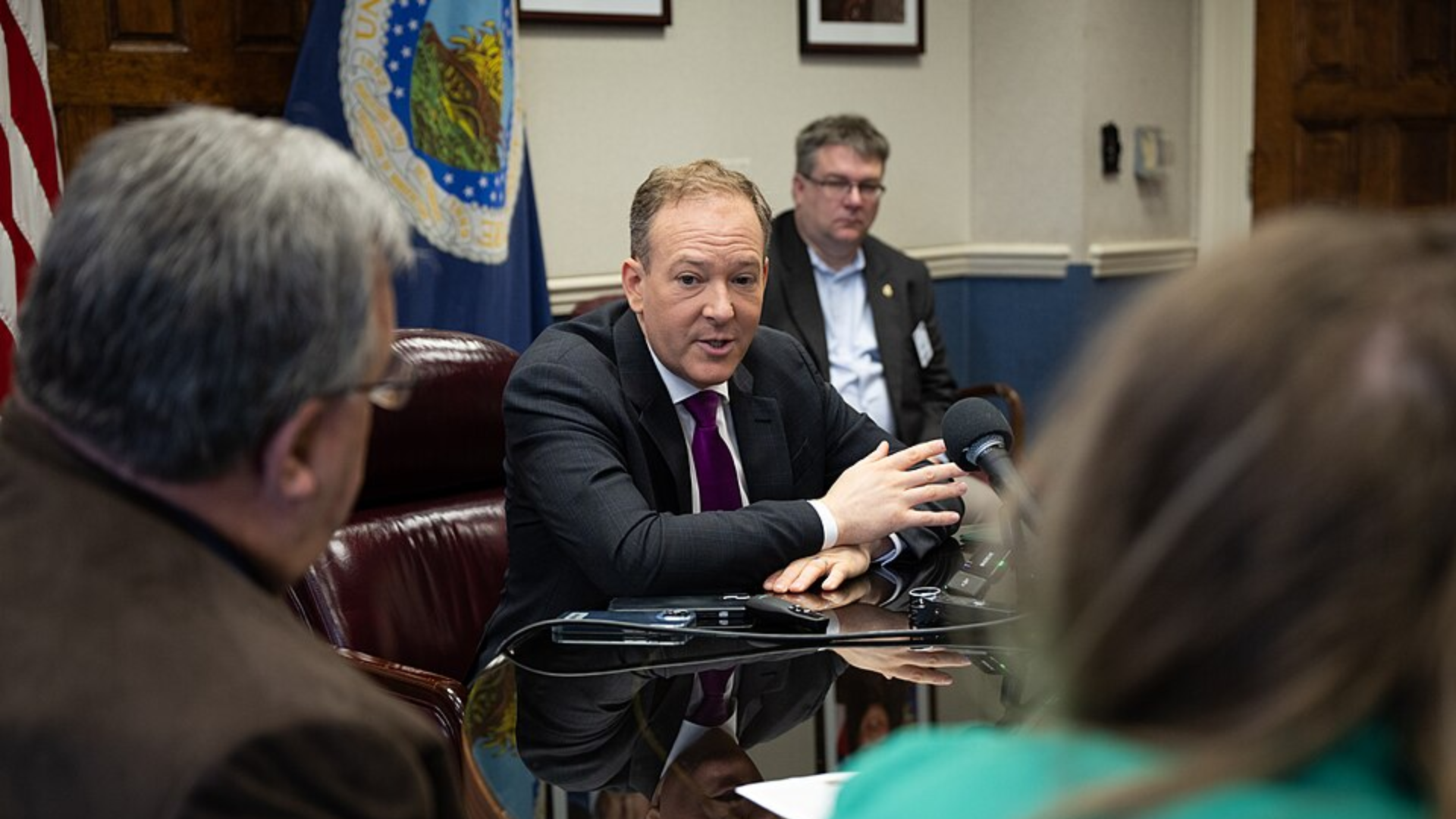
EPA Administrator Lee Zeldin / Wikimedia Commons
A coalition of 18 states, along with Washington, D.C., and New York City, this week sued the EPA over a rule issued in May, arguing that it weakens regulations meant to phase down HFCs in the U.S. — and violates the law.
Catch up quick: The 2020 American Innovation and Manufacturing (AIM) Act — which launched today’s HFC phasedown — directed the EPA to create an allowance system that limits the amount of HFC refrigerants entering the market, along with a timeline for phasing them down.
- It also enabled the agency to issue the 2023 Technology Transitions (TT) Rule, which set GWP limits of 150 or 300 for supermarket refrigeration systems, depending on charge size, beginning January 1, 2027. (Other commercial refrigeration equipment, including remote condensing units, faced similar GWP limits.)
Yes, but: The EPA in late May raised those limits to 1,400 GWP on an interim basis for supermarket systems and remote condensing units, delaying the 150/300 thresholds until January 1, 2032, allowing five additional years for the installation of higher-GWP equipment.
Why it matters: As the AIM Act phases down total HFC supply through its allowance system, trade groups argue the EPA’s rule will “artificially” inflate demand by allowing new commercial refrigeration systems to be built on legacy refrigerants, squeezing the market and putting upward pressure on refrigerant prices, including in residential HVAC.
What’s happening: In a petition filed Tuesday in a federal appeals court in Washington, D.C., the coalition asks the court to “review” the EPA’s rule, “because it’s contrary to law, and the agency failed to justify its change in position,” says a news release from Colorado Attorney General Phil Weiser, whose state is part of the coalition.
- The legal basis: The AIM Act requires a one-year lead time before deadline changes take effect. The EPA’s rule set a 60-day window, with an effective date of July 27.
The EPA declined to comment.
What they’re saying: “Americans were right to be frustrated with the Biden-era refrigerant rules. They didn’t protect human health or the environment and instead piled on costly, unattainable restrictions beyond what the law requires,” EPA Administrator Lee Zeldin said in May.
- “Our actions allow businesses to choose the refrigeration systems that work best for them, saving them billions of dollars,” he added. “This will be felt directly by American families in lower grocery prices.”
The other side: “If allowed to move forward, the EPA rule will increase HFC emissions, disrupt the marketplace, harm consumers, and accelerate the damage already threatening our planet from climate change,” Weiser said Tuesday.
- “Leading and responsible companies are pushing for and ready for this transition to climate-friendlier cooling systems,” he added. “Undermining this change is illegal, irresponsible, and head-scratching, as the law calling for this action was a bipartisan one signed by President Trump.”
Looking ahead: A July 27 deadline is set for additional petitions to be filed, after which the case will move into a briefing period where petitioners can submit written arguments, as Alex Ayers, vice president of government affairs at HARDI, told Homepros in June, when the association filed a similar challenge to the rule.
- Courts typically schedule oral arguments after briefing is complete; however, there’s no set deadline for a decision, which can take several months, he added.
Keep reading

UA leaders laud growth, shrug off tariffs at major convention
The United Association’s General Convention happens once every five years

Charted: Where U.S. household debt payments stand
In the first quarter of this year, household debt payments represented 11.16 percent of disposable income, according to the Federal Reserve

David Montanez on One Hour Heating & Air Conditioning’s strategy and expanding nationwide
Notes on 2023, blocking and tackling, and the challenges ahead
