How rising temperatures impact the HVAC industry

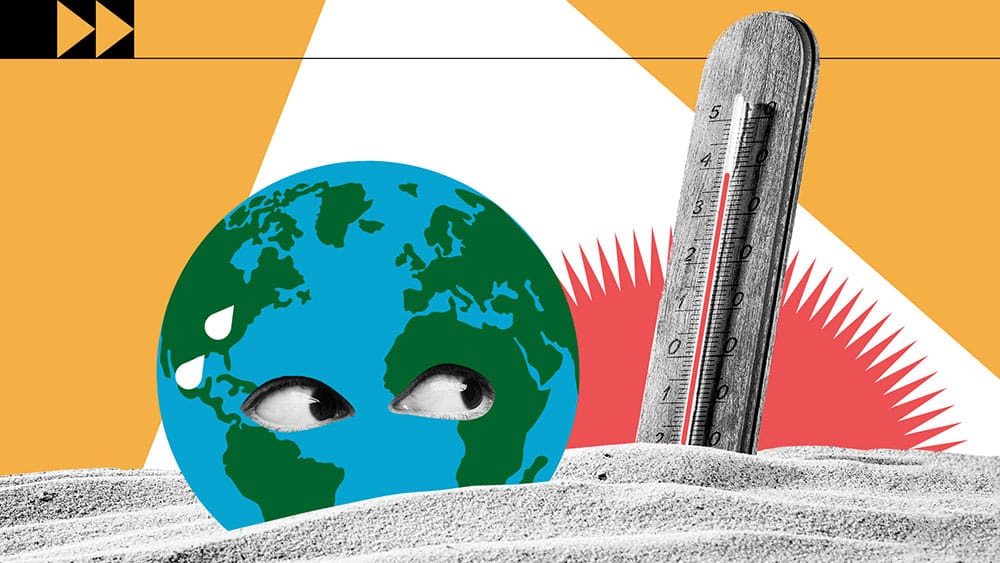
Image: United Nations
HARDI last month published an article addressing the question, “What impact will rising temperatures have on the HVAC industry?”
The big picture: Since 1901, average temperatures in the US have steadily risen, but the annual rate of increases has accelerated over the last 50 years — doubling compared to the prior 50.
-
Northeastern and Western states have experienced the greatest increases so far, but northern regions are projected to see the biggest rise over the next 50 years.
Details: Global cooling demand is expected to triple by 2050, according to the International Energy Agency (IEA), resulting in units needing to “run longer and at a higher level,” HARDI’s Tyler Drown writes.
-
“This increased load will incur more wear and tear on a system leading to an accelerated replacement cycle as well as driving up building-owners’ and homeowners’ costs,” he adds.
-
Rising temperatures also correlate with increases in “cooling degree days,” which measure how much hotter a given day is than 65 degrees, typically driving short-term sales spikes.
Of note: ServiceTitan found that the first heat wave of a season can increase contractors’ daily calls by 20% and daily revenue by 55%.
-
Have you had any weather-related revenue spikes this year? Let us know.
Looking ahead: “As a result of increasing temperatures… many parts of the US can expect cooling seasons to grow longer and longer while heating seasons potentially suffer,” says Drown.
Keep reading
House joins Senate to fund low-income HVAC program
A U.S. House committee on Tuesday approved a 2026 budget of nearly $4.04 billion for a federal low-income HVAC program
HVAC enrollment at two-year colleges jumped 17% this spring
The enrollment surge reflects the growing interest in skilled trade jobs across the U.S., particularly among Gen Zers

HVAC tech awarded $75 million in lawsuit
A Michigan jury this week delivered a record-breaking verdict, following an R-22 explosion that cost an HVAC tech most of his hands
